April 10, 2025
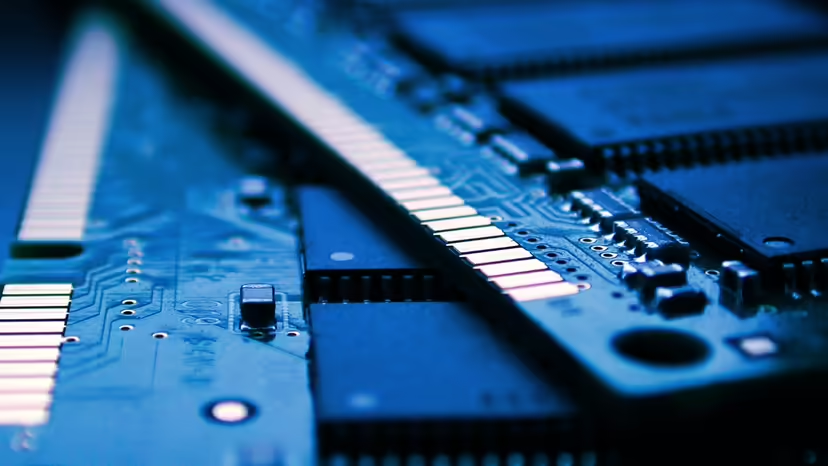
When shopping for a new computer or troubleshooting a sluggish one, you’ve probably heard the term RAM tossed around a lot. But what exactly is RAM, and why is it so important to your computer’s performance?
Understanding RAM: The Basics
RAM stands for Random Access Memory. It’s a type of short-term memory used by your computer to store data that’s actively being used or processed. Unlike your hard drive or SSD, which stores data permanently (even when the computer is turned off), RAM is volatile memory, meaning it clears out completely when you shut down your system.
Think of RAM as your computer’s workspace. The more you have, the more tasks your computer can juggle at once without slowing down. For example, if you’re browsing the internet with 10 tabs open, running Spotify in the background, and editing a photo in Photoshop—all at once—your RAM is what’s keeping everything running smoothly.
Why RAM Matters
Here’s why RAM plays such a crucial role in how your system performs:
1. Multitasking
More RAM allows you to run multiple programs simultaneously without performance hiccups. If you’re someone who likes to have many browser tabs open or switch between applications quickly, having enough RAM is essential.
2. Speed
RAM is significantly faster than storage drives. When your system needs to load something quickly—like a program, file, or game—it pulls the data from RAM. If there’s not enough, it has to rely on slower storage, causing delays and lag.
3. System Responsiveness
Running out of RAM forces your computer to use the hard drive as “virtual memory,” which drastically reduces responsiveness. This is why an older PC might feel painfully slow, even if it’s not doing anything particularly demanding.
4. Gaming & Creative Work
Modern games, video editing, music production, and 3D design tools often require large amounts of RAM. More RAM means smoother gameplay, faster rendering times, and fewer crashes or stutters in creative software.
How Much Do You Need?
This depends on what you use your computer for:
- Basic tasks (email, browsing, office apps): 4–8GB
- Everyday multitasking, light gaming: 8–16GB
- Gaming, photo/video editing, programming: 16–32GB
- Heavy professional workloads (3D modeling, virtual machines, large datasets): 32GB or more
For most users in 2025, 16GB is a sweet spot—it’s enough for everyday use, gaming, and some creative work without breaking the bank.
Can You Upgrade RAM?
In many desktop and some laptop models, yes. If your computer is running slow and you’re maxing out your current RAM, adding more can be a cost-effective upgrade. Always check your system’s compatibility before buying additional memory.
Final Thoughts
RAM may not be as glamorous as a new graphics card or processor, but it plays a vital role in how your computer runs. Having enough—and the right type—of RAM can breathe new life into an aging system or unlock the full potential of your new setup.
If you’re unsure about how much RAM you need or whether your system can be upgraded, feel free to reach out to SVS IT and Computers today!
Contact SVS IT + Computers today to learn more about the options available to you.
